The Complete Guide to Repairing Damaged Hair: Expert Care Routine
Transform your damaged, dry, or brittle hair with our professional care routine. Learn the step-by-step techniques used by Lisbon's top hair experts to restore health, shine, and strength to even the most damaged hair.
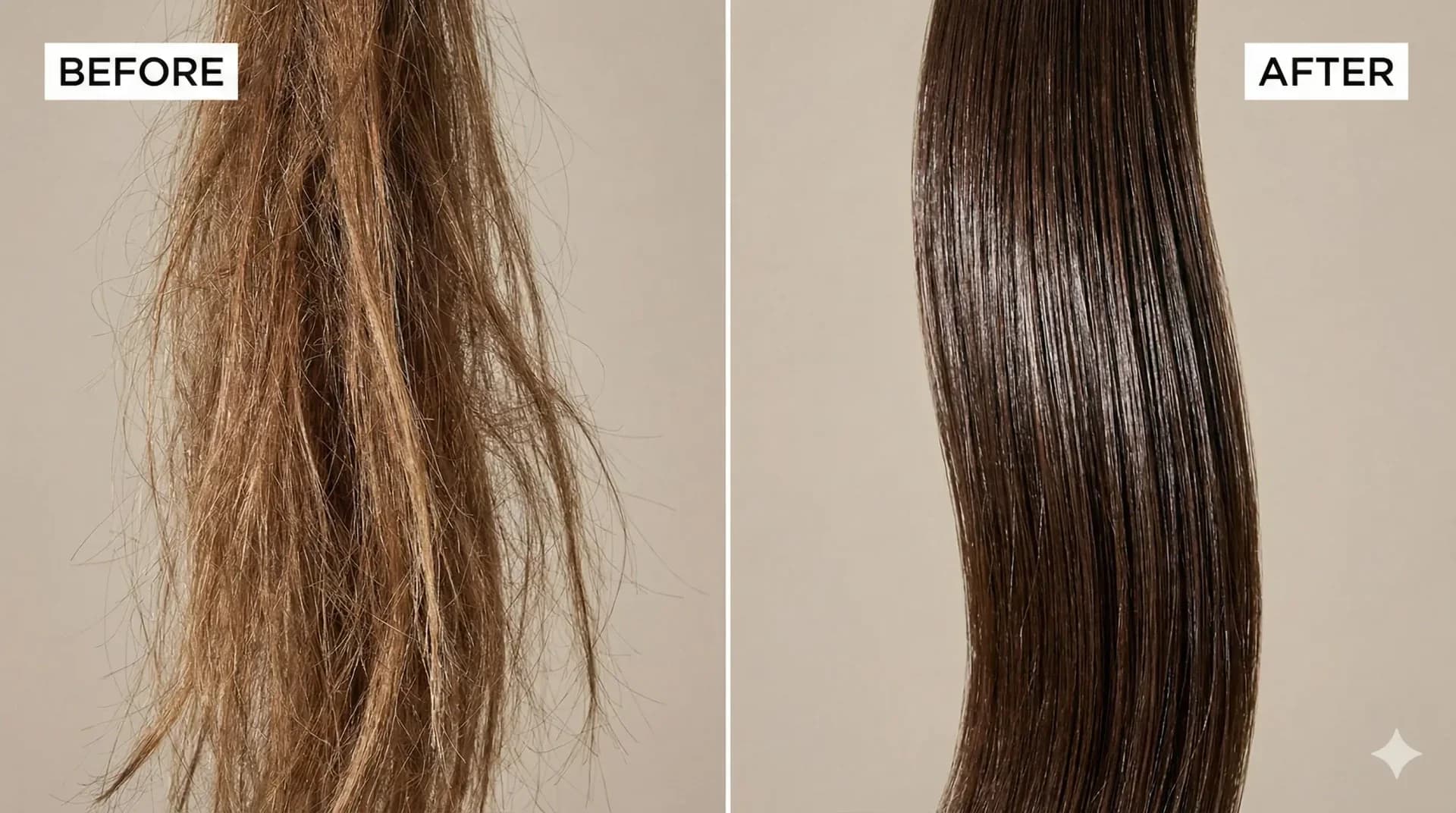
If you're struggling with damaged, dry, or brittle hair, you're not alone. Hair damage affects millions of people and can result from heat styling, chemical treatments, environmental factors, or simply daily wear and tear. The good news? With the right care routine and professional guidance, you can restore your hair's health, shine, and vitality. As Lisbon's leading hair care experts, we've helped hundreds of clients transform their damaged hair, and now we're sharing our complete professional repair guide with you.
Table of Contents
Understanding Damaged Hair: Signs and Causes
Before we dive into the repair routine, it's crucial to understand what damaged hair actually is and what causes it. Hair damage occurs when the protective outer layer (cuticle) of your hair is compromised, exposing the inner cortex and leading to moisture loss, breakage, and dullness.
Recognizing the signs of damaged hair early allows you to take action before the damage becomes severe. Here are the most common indicators that your hair needs extra care and attention:
Common Signs of Damaged Hair:
- •Split ends: The most visible sign, where hair strands literally split into two or more pieces at the ends
- •Excessive breakage: Hair breaking off during brushing, styling, or even just running your fingers through it
- •Dryness and roughness: Hair feels coarse, straw-like, or rough to the touch instead of smooth and silky
- •Lack of shine: Dull, lifeless appearance with no natural luster or light reflection
- •Tangles easily: Hair knots up quickly and is difficult to comb through without pulling
- •Frizz and flyaways: Uncontrollable frizz, especially in humid conditions, with lots of flyaway hairs
- •Loss of elasticity: Hair doesn't bounce back when stretched; it breaks or stays stretched out
- •Difficulty holding styles: Curls fall flat quickly, and styles don't last as long as they used to
- •Color fading rapidly: If colored, the color washes out much faster than it should
- •Porosity issues: Hair absorbs water too quickly (high porosity) or repels it (if coated with buildup)
The Complete Daily Hair Care Routine
Establishing a consistent daily hair care routine is the foundation of damaged hair repair. Consistency is more important than using expensive products – even basic products used correctly and regularly will yield better results than sporadic use of premium treatments.
Step 1: Proper Washing Technique
- •Reduce washing frequency: Wash hair 2-3 times per week maximum. Over-washing strips natural oils that protect and nourish hair
- •Use lukewarm water: Hot water opens the cuticle too much and causes moisture loss; cold water at the end seals the cuticle
- •Focus shampoo on the scalp: Apply shampoo primarily to your scalp and roots, letting the suds clean the lengths as you rinse
- •Choose sulfate-free formulas: Sulfates are harsh detergents that strip hair; opt for gentle, moisturizing cleansers
- •Massage gently: Use fingertips (not nails) to massage the scalp, promoting circulation without causing damage
- •Rinse thoroughly: Ensure all product is removed, as residue can cause buildup and dullness
Step 2: Conditioning and Moisture
- •Condition every wash: Never skip conditioner – it's essential for damaged hair to replace lost moisture
- •Apply mid-length to ends: Focus conditioner on the most damaged areas, usually from ears down to tips
- •Leave on for 3-5 minutes: Give conditioner time to penetrate the hair shaft and deposit moisture
- •Use a wide-tooth comb: Gently detangle while conditioner is in hair to minimize breakage
- •Cool water rinse: Finish with cool water to seal the cuticle and lock in moisture
- •Don't rinse completely: Leave a tiny bit of conditioner in for extra protection (just enough that hair doesn't feel slimy)
Weekly Deep Conditioning Treatments
Deep conditioning treatments are non-negotiable for damaged hair repair. While daily conditioner provides surface moisture, deep treatments penetrate the hair shaft to repair damage from within. Plan to do an intensive treatment once or twice per week, depending on your damage level.
How to Perform an Effective Deep Conditioning Treatment:
- •Start with clean, damp hair: Wash hair with shampoo, then squeeze out excess water with a towel – hair should be damp, not dripping
- •Apply generous amounts: Don't skimp! Use enough product to fully saturate each section of hair, focusing on the most damaged areas
- •Section and distribute: Divide hair into 4-6 sections and apply the mask systematically to ensure even coverage
- •Comb through: Use a wide-tooth comb to distribute product evenly from roots to tips
- •Add heat for better penetration: Cover hair with a shower cap or plastic wrap, then apply gentle heat with a warm towel or hooded dryer for 20-30 minutes
- •Leave on for the recommended time: Most masks work best with 20-30 minutes, but check product instructions – more isn't always better
- •Rinse with cool water: Thoroughly rinse with cool water to seal the cuticle and lock in the treatment
- •Follow with leave-in protection: Apply a leave-in conditioner or oil to damp hair for additional moisture retention
Product Recommendations and What to Avoid
The products you use make a significant difference in your hair repair journey. Damaged hair requires gentle, nourishing formulations that repair and protect rather than further strip or damage. Here's what to look for and what to avoid:
Ingredients to Look For:
- •Proteins (keratin, hydrolyzed wheat/silk protein): Rebuild hair structure and fill in damaged areas of the hair shaft
- •Natural oils (argan, coconut, jojoba, avocado): Provide deep moisture and create a protective barrier
- •Panthenol (Pro-Vitamin B5): Attracts and retains moisture while adding shine
- •Ceramides: Help rebuild the hair's protective layer and prevent moisture loss
- •Shea butter and cocoa butter: Intensive moisturizers that soften and smooth damaged hair
- •Glycerin: Humectant that draws moisture from the air into your hair
- •Amino acids: Building blocks of protein that repair and strengthen
- •Biotin and vitamins: Support overall hair health and strengthen strands
Ingredients and Products to Avoid:
- •Sulfates (SLS, SLES): Harsh detergents that strip natural oils and cause dryness
- •Alcohol (especially denatured alcohol): Very drying; avoid in styling products and leave-ins
- •Silicones (in excess): While some are fine, heavy silicones can cause buildup and prevent moisture from penetrating
- •Parabens and phthalates: Potential irritants that can weaken hair over time
- •Mineral oil and petroleum: Create a barrier that prevents moisture absorption
- •Excessive fragrance: Can be irritating and drying, especially synthetic fragrances
- •Formaldehyde and its releasers: Damaging chemicals found in some smoothing treatments
- •Bleach and harsh dyes without breaks: Give hair time to recover between chemical treatments
Professional Treatments vs. Home Care
While an excellent home care routine can work wonders, professional salon treatments offer concentrated repair that accelerates the healing process. Understanding when to invest in professional care versus maintaining at home helps you make the best decisions for your hair and budget.
Professional Treatments Worth Considering:
- •Olaplex or bond-building treatments: Chemically repair broken disulfide bonds within the hair shaft, reversing damage at a molecular level
- •Keratin smoothing treatments: Infuse hair with protein, reduce frizz, and create a protective coating that lasts 2-3 months
- •Brazilian blowouts (formaldehyde-free): Smooth and seal the cuticle while adding shine and manageability
- •Deep conditioning spa treatments: Professional-grade products and techniques not available for home use
- •Scalp treatments: Improve scalp health, which is essential for growing new, healthy hair
- •Protein treatments: Intensive restructuring treatments that rebuild severely damaged hair
- •Glossing and glazing: Seal the cuticle, add shine, and protect color-treated hair
- •Hair botox: Deep conditioning treatment that fills in gaps in damaged hair, adding volume and shine
Prevention Strategies for Long-Term Hair Health
Preventing future damage is just as important as repairing current damage. Once you've invested time and effort into restoring your hair's health, protecting it becomes your top priority. These prevention strategies will help you maintain beautiful, healthy hair long-term:
- •Minimize heat styling: Air-dry whenever possible; when using heat tools, always use a heat protectant spray and keep temperature below 350°F (175°C)
- •Protect from the sun: UV rays damage hair just like skin – use UV protection sprays or wear hats, especially important in Lisbon's sunny climate
- •Sleep on silk or satin: Cotton pillowcases create friction that damages hair; silk/satin reduces breakage and frizz
- •Avoid tight hairstyles: Tight ponytails, buns, and braids cause tension breakage – opt for loose styles and use gentle hair ties
- •Get regular trims: Trim every 8-12 weeks to remove split ends before they travel up the hair shaft
- •Limit chemical treatments: Space out coloring, bleaching, and chemical straightening by at least 6-8 weeks
- •Brush gently: Always start detangling from the ends and work up; never brush wet hair without a wide-tooth comb or wet brush
- •Protect in chlorine and salt water: Wet hair with clean water first, apply leave-in conditioner, and wear a swim cap when possible
- •Maintain a healthy diet: Hair health comes from within – ensure adequate protein, vitamins (especially biotin and B vitamins), and hydration
- •Manage stress: High stress can lead to hair loss and damage; practice stress management for overall hair health
Timeline and Realistic Expectations
One of the most common questions we hear is: "How long will it take to repair my damaged hair?" The honest answer depends on the severity of damage, your hair's natural characteristics, and how consistently you follow the repair routine. Here's what you can realistically expect:
Damage Repair Timeline:
- •2-3 weeks: You'll notice improved manageability, less frizz, and better moisture retention. Hair feels softer to the touch
- •1-2 months: Visible improvement in shine, elasticity, and overall appearance. New growth will be healthier, showing the benefits of your routine
- •3-4 months: Significant transformation in hair texture and strength. Breakage should be minimal, and hair holds styles better
- •6+ months: With consistent care, damaged sections grow out and are replaced by healthy hair. Your hair reaches its optimal condition
- •Important note: Severely damaged hair (from bleach, chemical straightening, or heat) may need to be gradually cut off as healthy hair grows in. There's no product that can completely "fix" hair that's chemically destroyed – the best approach is cutting damage while promoting healthy new growth
About the Author
Valentina Menella is the founder of Valentina Hair Concept in Lisbon, with over 15 years of experience in professional hair care and restoration. Specializing in damaged hair recovery, color correction, and hair health, Valentina has helped hundreds of clients transform their hair from damaged and dull to healthy and vibrant. She combines Italian hair care traditions with modern techniques and products to create personalized treatment plans for each client.
Frequently Asked Questions About Damaged Hair Care
Can I repair damaged hair without cutting it?
It depends on the damage severity. Mild to moderate damage can be significantly improved with the right care routine, products, and professional treatments. However, severely damaged hair (especially chemically over-processed or heat-damaged) often needs to be trimmed gradually as healthy hair grows in. Products can make damaged hair look and feel better by temporarily filling in gaps and smoothing the cuticle, but they cannot permanently repair hair that's structurally destroyed. The best approach is to improve what you have while gradually transitioning to healthier hair through regular trims.
How often should I wash damaged hair?
Wash damaged hair 2-3 times per week maximum. Over-washing strips the natural oils that protect and moisturize your hair. If your scalp gets oily between washes, use dry shampoo on roots only. When you do wash, use lukewarm water, gentle sulfate-free shampoo, and always condition. The less frequently you wash (while maintaining scalp health), the more your hair can retain moisture and natural protective oils.
What's the difference between a regular conditioner and a deep conditioning mask?
Regular conditioners work on the hair's surface, providing immediate moisture and detangling for daily use. They're designed to be used with every wash and rinsed out quickly. Deep conditioning masks (or treatments) have smaller molecules that penetrate the hair shaft to repair damage from within. They contain higher concentrations of proteins, oils, and nourishing ingredients. Masks need 20-30 minutes to work and should be used 1-2 times per week. Think of regular conditioner as daily moisturizer and masks as intensive repair treatment.
Are expensive hair products really better for damaged hair?
Not necessarily. What matters most is the ingredient list, not the price tag. Some drugstore brands offer excellent formulations with quality ingredients at affordable prices, while some expensive products contain the same problematic ingredients as cheap ones. Focus on finding products with beneficial ingredients (proteins, natural oils, ceramides) and without harsh chemicals (sulfates, excessive alcohol). That said, professional salon products often have higher concentrations of active ingredients and more sophisticated formulations, which can justify a higher price for severely damaged hair.
Can I use hair oil every day on damaged hair?
Yes, but use the right type and amount. Lightweight oils like argan, jojoba, or grapeseed can be applied daily to damp or dry hair ends to seal in moisture and protect from environmental damage. However, heavy oils (like coconut or castor) might be too much for daily use and can cause buildup. Start with 2-3 drops, warming between palms, and apply to mid-lengths and ends only – avoid the scalp unless it's very dry. The key is finding the right balance: enough to moisturize and protect, but not so much that hair looks greasy or gets weighed down.
Should I focus on protein or moisture for damaged hair?
Most damaged hair needs both protein and moisture, but the balance depends on your hair's specific needs. Hair that feels mushy, stretches too much, or won't hold curls needs more protein. Hair that feels brittle, breaks easily, and is very dry needs more moisture. Many people alternate: one week protein treatment, next week moisture treatment. Over-protein can make hair brittle; too much moisture can make it limp. Pay attention to how your hair responds and adjust accordingly. When in doubt, consult a professional for a hair analysis.
How long should I wait between hair coloring sessions to avoid damage?
Wait at least 6-8 weeks between full coloring sessions to give your hair time to recover and rebuild strength. For root touch-ups only (not touching previously colored hair), you can go as often as every 4 weeks. If you're bleaching or lightening, wait even longer – 8-12 weeks minimum – and use bond-building treatments like Olaplex during the process. Consider less damaging alternatives like balayage or highlights that don't require frequent all-over application. Always deep condition before and after coloring, and consult with a professional colorist who prioritizes hair health.
Is it better to air-dry or blow-dry damaged hair?
Air-drying is generally better for damaged hair as it eliminates heat exposure. However, if done incorrectly, air-drying can also cause damage (leaving hair wet for too long can weaken it). If you choose to air-dry, gently squeeze out excess water with a microfiber towel, apply leave-in conditioner, and let hair dry naturally. If you must blow-dry, always use a heat protectant, keep the dryer on medium heat (not high), hold it 6 inches from hair, and dry until 80% dry, finishing with cool air. The worst option is leaving hair wrapped in a towel for hours – this causes breakage and hygral fatigue.
Ready to Transform Your Damaged Hair?
Book a professional hair health consultation at Valentina Hair Concept in Lisbon. We'll analyze your hair's specific damage, create a personalized repair plan, and provide expert treatment to restore your hair's natural beauty and strength.